 Comparison
Are These Hiking Gear Picks Reliable for Long Trips?
Last Updated: November 4, 2026
Quick Summary
Reliable hiking gear for long trips is equipment that keeps performing over repeated use, fits your body, and can be repaired on the trail. Judge each item on durability, fit, and field repairability, and choose a pack, footwear, and shelter that match your load and conditions. Test your full kit on a shakedown hike before you leave.
- Judge each item on durability, fit, and how easily it can be fixed on the trail.
- A 50 to 70 liter pack is commonly suggested for heavier multi-day loads.
- Walk 20 to 30 miles in new footwear before departure to surface hot spots early.
- Carry a backup water treatment method, since a clogged or frozen filter can end a trip.
- Take a shakedown hike with your full kit to find weak points near home.
Table of Contents
- What Makes Hiking Gear Reliable on a Long Trip
- Packs for Multi-Day Hiking: Capacity, Weight and Fit
- Footwear That Holds Up Over Hundreds of Miles
- Water, Shelter and Clothing Layers for Extended Trips
- Navigation, Lighting and Emergency Communication
- Hiking Gear Reviews: How to Test and Compare Options
- Starting Your Long-Trip Kit: Where Beginners Should Begin
- Frequently Asked Questions
What Makes Hiking Gear Reliable on a Long Trip
Long-distance hiking is hard on equipment, and gear that looks fine on a store shelf can fail after a few hundred miles. At Camp Cave Forest Supply, we define reliable hiking gear for long trips as equipment that keeps performing, stays comfortable, and can be repaired or replaced when it wears out. Lightweight gear is a major trend right now. Backpacker's 2026 coverage of long-trail gear highlights head-to-toe fleece layers, fuel-transfer devices, reusable water bottles, and pad systems that thru-hikers rely on, as described in Backpacker's 2026 gear trends article. Weight matters, but it should never come at the expense of durability. We recommend judging each item on three things: how it holds up over repeated use, how well it fits your body, and how easy it is to fix on the trail.
Packs for Multi-Day Hiking: Capacity, Weight and Fit
A pack is the piece of gear you will feel most on a long trip, so capacity and fit come first. Industry guidance for long-distance trips commonly points to a 50 to 70 liter pack to carry the heavier loads that multi-day wilderness travel requires, according to Shokz's 2026 hiking gear guide.
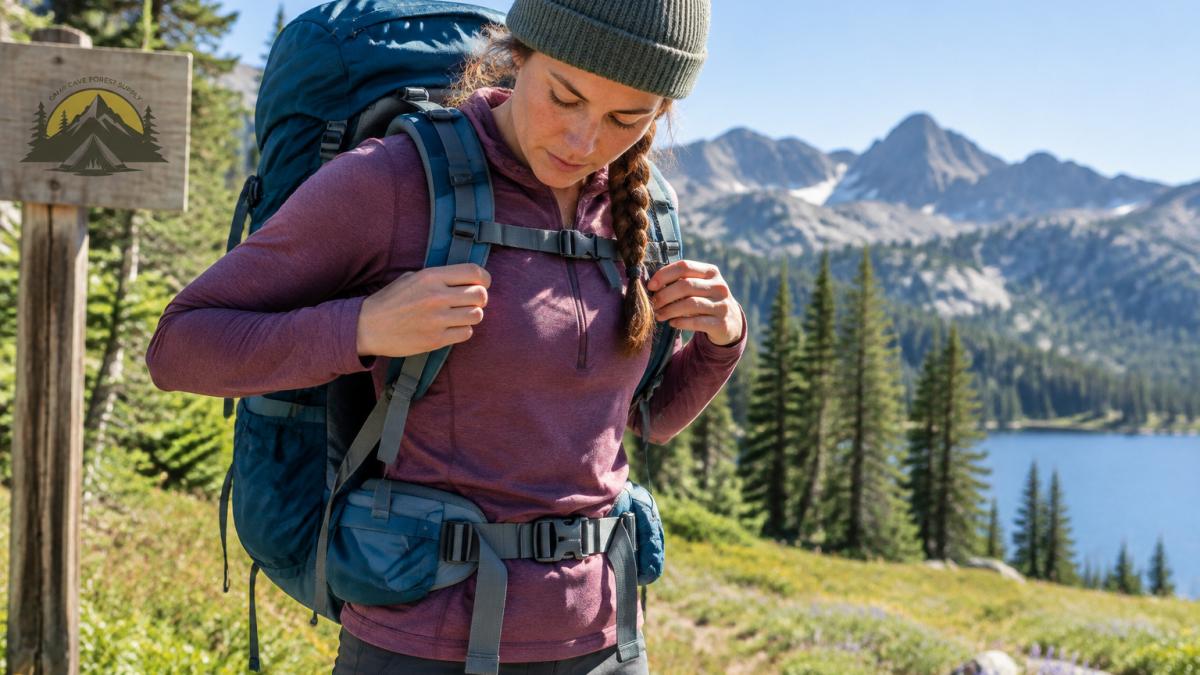
Here is how the packs we are evaluating compare:
| Pack | Capacity | Listed Price | Best For |
|---|---|---|---|
| Granite Gear Blaze 60 | 60 liters | $300 | Longer trips that need a light, high-performance pack |
| Osprey Atmos AG 65 | 65 liters | Not listed | Larger loads on multi-day trips |
| Gregory Jade 28L | 28 liters | Not listed | Long day hikes with a lighter load |
| REI Co-op Trailmade 60 | 60 liters | $179 | Budget-conscious backpackers |
Footwear That Holds Up Over Hundreds of Miles
Footwear is the most common failure point on a long trip, and it fails in predictable places. Before you buy, understand where shoes wear out: the outsole lug edges on the lateral heel and forefoot, the flex point across the toe box, the heel counter lining, and the seam where the upper meets the midsole.
Fit is a durability issue, not just a comfort issue. A shoe that is too short causes toe pressure on descents and premature upper failure at the flex point; a shoe that is too wide lets the foot slide, which grinds through liners and blisters the heel. A common pattern is to size up a half size from your everyday shoe for long trips with sustained descents, then lock the heel with a runner's loop lacing pattern so the foot does not slide forward. Try the shoe on late in the day when your feet are at their largest, and wear the sock thickness you plan to hike in.
The 2026 footwear picks in OutdoorGearLab's testing include the La Sportiva Ultra Raptor 3 and the On Cloudrock Low Waterproof, which the source identifies as field-tested performers, according to OutdoorGearLab's best hiking gear guide. Neither pick tells you how the shoe will feel at mile 500, so use the source as a starting shortlist and then apply the wear-point and fit checks above.
Match the shoe to the trip rather than to a list:
- Multi-day trips with a heavy pack (35+ pounds): a mid-height boot or a stiff trail shoe with a rock plate protects the foot and reduces midsole compression over long days. Expect a longer break-in.
- Thru-hiking and fast long trips with a light pack: a lighter trail runner saves energy per step, but plan on replacing it mid-trip and budget for that replacement before you leave.
- Wet, muddy, or snowy conditions: prioritize drainage and a grippy compound over waterproofing. A waterproof membrane that soaks through dries slowly and can hold water against the foot for hours.
- Hot, dry, rocky terrain: prioritize breathability, a rock plate, and outsole durability over insulation.
Break-in and field repair matter as much as the purchase. Walk at least 20 to 30 miles in new footwear on terrain similar to your trip before departure, including one long descent, so hot spots surface while you can still return the shoe. Carry a small repair kit: a length of adhesive repair tape for a delaminating rand or a torn upper, spare laces, and a needle-and-thread or a strong patch for liner blowouts. Watch out: a heel-liner tear that starts as a small rub can shred the lining and blister your heel within a day, so patch it the moment you feel it, not at the next town.
Finally, plan the replacement. On a long trip, assume you may need more than one pair of trail shoes. Check the manufacturer's warranty terms before you buy, and confirm that the model you choose is available in a size and width you can reorder mid-trip if needed.
Water, Shelter and Clothing Layers for Extended Trips
Water, shelter, and layers are where trip length and climate change the answer most. Instead of one generic kit, build the three systems around your conditions.
Water treatment. A compact filter is the core item for most thru-hikers, and surveys of 2026 hikers cite lightweight filters as essential for safe drinking water on the trail, as reported by Backpacker Magazine's 2026 thru-hiker survey. Plan capacity by the driest stretch of your route, not the average: carry enough bottles or a reservoir to cover the longest gap between reliable sources plus a margin. A common pattern is one liter per hour of hard hiking in heat, so a 10-mile dry stretch can mean carrying three to four liters. Carry a backup method, purification tablets or a second filter, because a clogged or frozen filter is a trip-ending failure. Watch out: a filter that freezes can crack its hollow-fiber membrane and pass contaminated water without any visible sign, so sleep with it in your bag in freezing conditions.
Shelter. Match the shelter to exposure and season rather than to a single recommendation. A 4 season mountaineering tent for two people is built for harsh weather and high winds, and a multi-person 3 or 4 season expedition tent suits longer trips with more than one hiker. For three-season trips below treeline, a lighter double-wall or single-wall shelter saves pounds; for exposed alpine or winter trips, a stronger pole structure and a full-coverage fly are worth the weight. Check the floor area and vestibule against your pack and boots, and pitch the shelter at least once at home so you know the setup before a storm. Carry a repair kit sized to the shelter: a patch for the floor and fly, spare pole splints, and extra guyline.
Clothing layers. Our layering approach is simple: a moisture-wicking base, an insulating middle layer, and a weather-resistant shell. Fabrics that are warmer and lighter than older options are a current focus across the industry, as noted by The Trek's 2026 hiking gear trends analysis. Build the system by climate:
- Cold and wet: a synthetic or wool base, a fleece or synthetic insulated midlayer, and a waterproof shell with pit zips. Add a dry layer kept separate for camp.
- Hot and dry: a lightweight long-sleeve sun layer, a breathable wind shirt for ridgelines, and a light insulation layer for cold camps. Skip heavy waterproofs unless rain is forecast.
- Shoulder-season and variable: prioritize a shell that vents and a midlayer you can add and remove without stopping for long.
Plan for wear and replacement on the layers that see the most abrasion: socks, the seat and knees of pants, and the cuffs of shells. Carry a small repair kit with adhesive patches for shells and a needle-and-thread for fabric tears, and check warranty terms before departure so a failed zipper or seam does not become a trail problem.
Shop the personal water filter for hiking and travel for on-trail drinking water, and browse the multiple person 3 or 4 season expedition tents if you are planning shared shelter.
Navigation, Lighting and Emergency Communication
Reliable communication and safety gear now often includes satellite SOS devices and specialized watches, which many experienced hikers treat as essential after long use, according to HikingGuy's best hiking gear guide. Plan for lighting redundancy: carry a headlamp with spare batteries and a backup light source. A common mistake is packing a single light and discovering the battery is dead at camp. If you are building your emergency kit, you can shop the light and communication refill pack to fill those gaps.
Hiking Gear Reviews: How to Test and Compare Options
Reviews are most useful when you know how they were tested. When you read a hiking gear review, look for consistent criteria: the same weight measurement, the same kind of terrain, and a stated test length. Reviews that cover only a single weekend trip rarely tell you how gear performs after months of use. Check whether a reviewer reports on durability, repairs, and warranty support. Use the reviewer's findings as one input and compare them with your own trip length and conditions. We would rather you choose gear that fits your route than gear that tops a list written for a different hiker.
Starting Your Long-Trip Kit: Where Beginners Should Begin
Beginners often try to buy everything at once. Start with the items that cause the most problems when they fail: a properly fitted pack, supportive footwear, and a reliable water treatment method. Add shelter and navigation next, then build out clothing layers and lighting. Keep receipts and check warranty terms before a trip, so a broken zipper or strap does not turn into a major problem on the trail. Plan a short shakedown hike with your full kit first, so you find weak points while you are still close to home.
Frequently Asked Questions
What gear do I need for long distance hiking?
A reliable long-distance kit covers a pack sized for multi-day loads, footwear that fits well after many miles, a layering system for changing weather, a water filter or treatment method, a shelter and sleep system, navigation tools, a headlamp with spare batteries, and a satellite SOS device or other emergency communication for areas without cell coverage. Start with the big three: pack, shoes and water. Check each pack's fit and capacity against your own trip length before buying. For current prices and availability, visit the Camp Cave Forest Supply website.
What is the 3-layer rule for hiking?
The three-layer rule is a clothing system: a base layer that wicks moisture away from skin, a middle insulating layer such as fleece for warmth, and an outer shell that protects against wind and rain. Layers can be added or removed as temperature and activity change, which helps you avoid overheating on climbs and getting cold during breaks. Choose layers that dry quickly, since damp clothing loses insulating value on multi-day trips.
How do I choose reliable gear for a multi-day hike?
Focus on durability, fit and repairability before comparing features. Check whether a pack's frame and zippers are built for repeated loading, whether footwear is comfortable after several days of wear, and whether you can field-repair or replace parts. Compare products using the same criteria: capacity, listed weight, price and warranty. Test new gear on shorter trips before a long one, and bring a basic repair kit with tape, a needle and thread, and spare buckles or straps. Our team can help you narrow choices by trip length and conditions.
Which hiking gear is worth spending more on?
Footwear, the pack and your shelter or sleep system usually matter most for comfort and safety on long trips, so these are often the areas where a higher price pays off. Lower-cost options can suit budget-conscious hikers. Compare pack fit and warranty coverage before deciding, and check current pricing directly with Camp Cave Forest Supply, since prices depend on the product and the time of purchase.
Camp Cave Forest Supply curates camping, hiking, and survival gear for outdoor trips of every length. Browse our clothing and footwear collection to start building a kit that holds up on your next long trip, and reach out to our team if you have questions about fit or gear for your planned route.