 Ultimate guide
How to Prepare for Wilderness Trips: A 2026 Guide
Last Updated: October 23, 2026
Quick Summary
To prepare for wilderness trips requires deliberate planning across destination selection, route research, fitness training, gear acquisition, and safety protocols. Start eight weeks before departure to secure permits, research trail conditions, assess your fitness level, and gradually build endurance with weighted pack training.
- Choose a destination and route matching your experience level, evaluating mileage, elevation gain, trail surface, and water availability before committing
- Build fitness over 6-8 weeks with progressively longer day hikes, carrying a weighted pack to simulate real wilderness demands
- Pack your backpack so total weight does not exceed 20-25% of your body weight, with heavier items positioned in the middle close to your back
- Treat all water using boiling, chemical treatment, or filtration, and locate water sources along your route before departure
- Establish a trip plan with an emergency contact including your route, camping locations, and expected return date
Table of Contents
- How to Plan a Backpacking Trip: The Foundation
- Match Trip Difficulty to Your Fitness Level
- Backpacking Packing List: Essential Gear and Clothing
- How to Pack a Backpack for Hiking: Weight, Balance, and Protection
- Food and Water Planning for Wilderness Trips
- Backpacking Tips for Beginners: Navigation, Safety, and Leave No Trace
- Create Your Pre-Trip Checklist and Timeline
- Frequently Asked Questions
How to Plan a Backpacking Trip: The Foundation
To prepare for wilderness trips requires deliberate planning. Destination choice, route research, and regulatory requirements form the backbone of a successful expedition; without this foundation, even experienced hikers face unnecessary risk.
Choose Your Destination and Route
Select a destination matching your experience level and available time, and choose conservatively, many beginners underestimate terrain difficulty.
Evaluate routes by mileage, elevation gain, trail surface, water availability, and campsites.
Use hiking databases and guidebooks to research trails, and read user reviews for current conditions and seasonal challenges.
Research Terrain, Trail Conditions, and Weather
Terrain dictates gear and physical demands: rocky alpine terrain requires ankle support, while muddy forest trails call for different footwear than exposed ridgelines.
Check current trail conditions before committing to your itinerary. A trail rated "excellent" three months ago might have washouts now, contact the managing agency if online reports seem outdated.
Begin weather forecasting two weeks before departure, then refine predictions as the trip approaches. Watch temperature swings, precipitation probability, and wind patterns. Mountain weather changes rapidly, so plan for conditions worse than forecast.
Permits, Regulations, and Reservations
Many wilderness areas require advance permits and cap daily visitors; popular trails book solid months ahead in peak season.
Permits regulate visitor impact and ensure rangers know your itinerary for safety.
Some areas use permit lotteries, others first-come, first-served booking, and a few manage permits through ranger stations only.
Match Trip Difficulty to Your Fitness Level
Underestimating physical demands is a common mistake when you prepare for wilderness trips. A hike manageable at sea level becomes brutally hard at elevation, and a trail easy on day one exhausts you by day three as fatigue compounds. Honest self-assessment prevents injury and abandonment.
Assess Your Physical Fitness
Evaluate your fitness baseline honestly: can you hike five flat miles without difficulty, climb stairs without shortness of breath, and walk an hour without joint pain? These answers determine your starting point.
Wilderness trips demand sustained aerobic capacity and muscular endurance, not sprinting ability. You'll carry weight uphill for hours, then descend on tired legs, day after day.
Test fitness on progressively longer day hikes before attempting overnight trips, a 5-mile hike tells you little about a 12-mile backpacking day.
Gradual Training and Mental Preparation
Build fitness over 6-8 weeks, gradually increasing distance, elevation gain, and pack weight. Week one might include two 3-mile hikes; week four, an 8-mile hike with 1,500 feet of gain and a 20-pound pack. This progression prevents injury and builds confidence.
Mental preparation matters as much as physical training. Wilderness trips test your resolve when you're tired, sore, and far from civilization.
Train in varied conditions: a hike pleasant in mild weather turns punishing in heat or cold. If your trip includes elevation, train on hills; if rocky terrain, practice on rocky trails.
Backpacking Packing List: Essential Gear and Clothing
What you carry determines whether your wilderness trip feels manageable or miserable. Overpacking creates weight and fatigue; underpacking leaves you vulnerable to cold, injury, and dehydration. Carry everything essential while minimizing total weight.
The Ten Essentials and Safety Gear
The Ten Essentials form the foundation of wilderness safety, addressing the most common emergencies: navigation problems, exposure, injuries, and dehydration. Every trip should include all ten, regardless of length or difficulty.
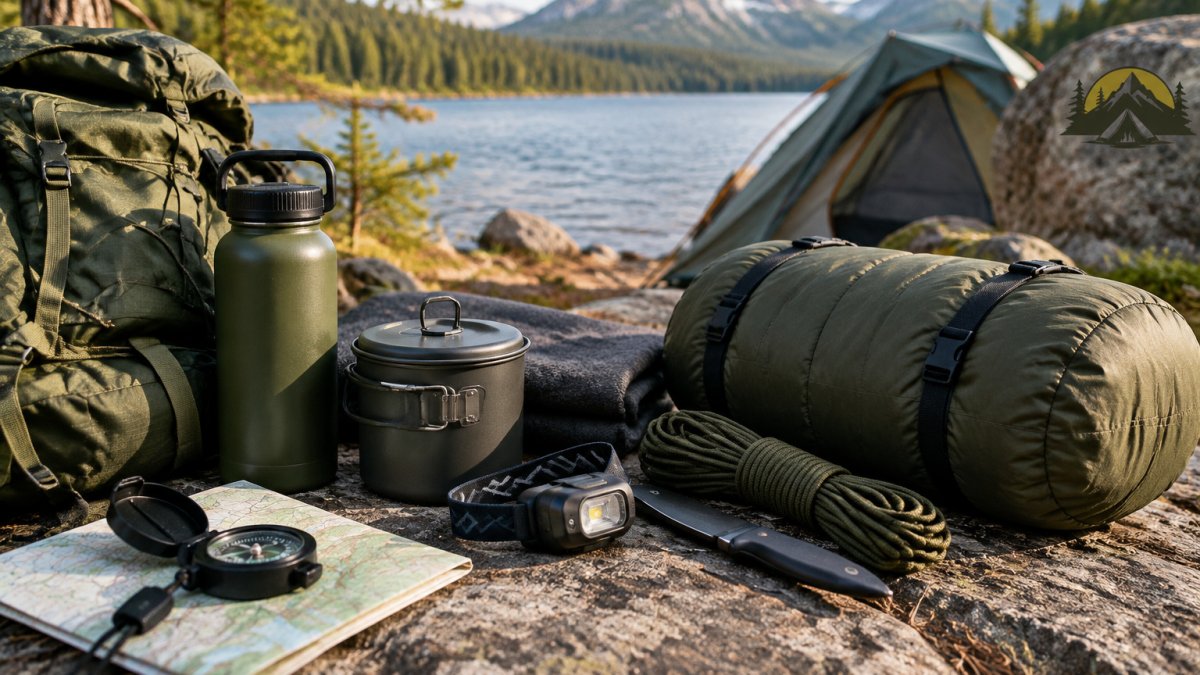
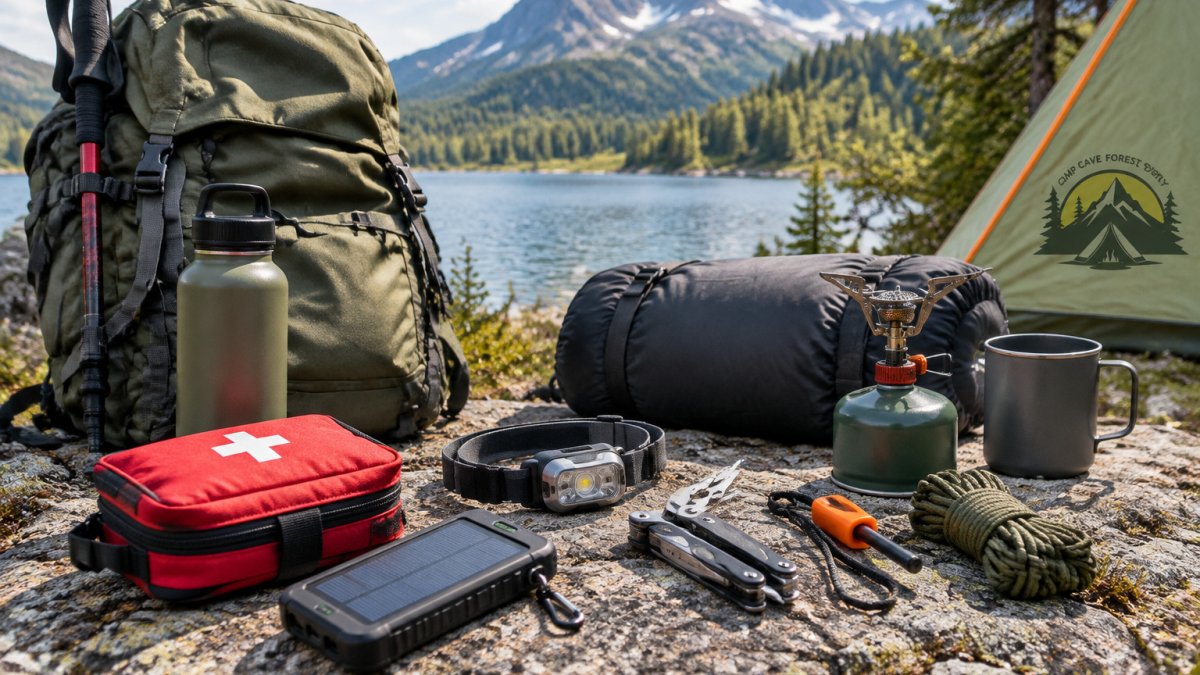
The Ten Essentials are: navigation tools (map and compass), sun protection (sunscreen and sunglasses), insulation (extra clothing layers), illumination (headlamp or flashlight), first-aid supplies, fire-starting capability, shelter (emergency bivy or space blanket), extra food, extra water, and a repair kit. Each category has multiple options depending on your trip's specific demands.
Beyond the Ten Essentials, carry a first-aid kit tailored to your group: blister treatment, pain relievers, antihistamines, and personal medications. A multi-tool handles most gear repairs, and a whistle needs no battery and carries farther than your voice.
Clothing Layers and Weather Protection
Clothing strategy determines whether you stay comfortable or suffer from cold, heat, or dampness.
Base layers should be synthetic or merino wool, never cotton, cotton absorbs sweat, stays damp, and causes heat loss.
Insulating layers trap warm air.
Shell layers block wind and rain. A lightweight rain jacket and pants protect against precipitation and wind chill, pack them even if the forecast looks clear, since mountain weather changes rapidly.
How to Pack a Backpack for Hiking: Weight, Balance, and Protection
Packing technique matters more than most people realize. A poorly packed backpack distributes weight unevenly, causes back pain, and throws off balance on technical terrain; a well-packed one feels stable and comfortable even when loaded.
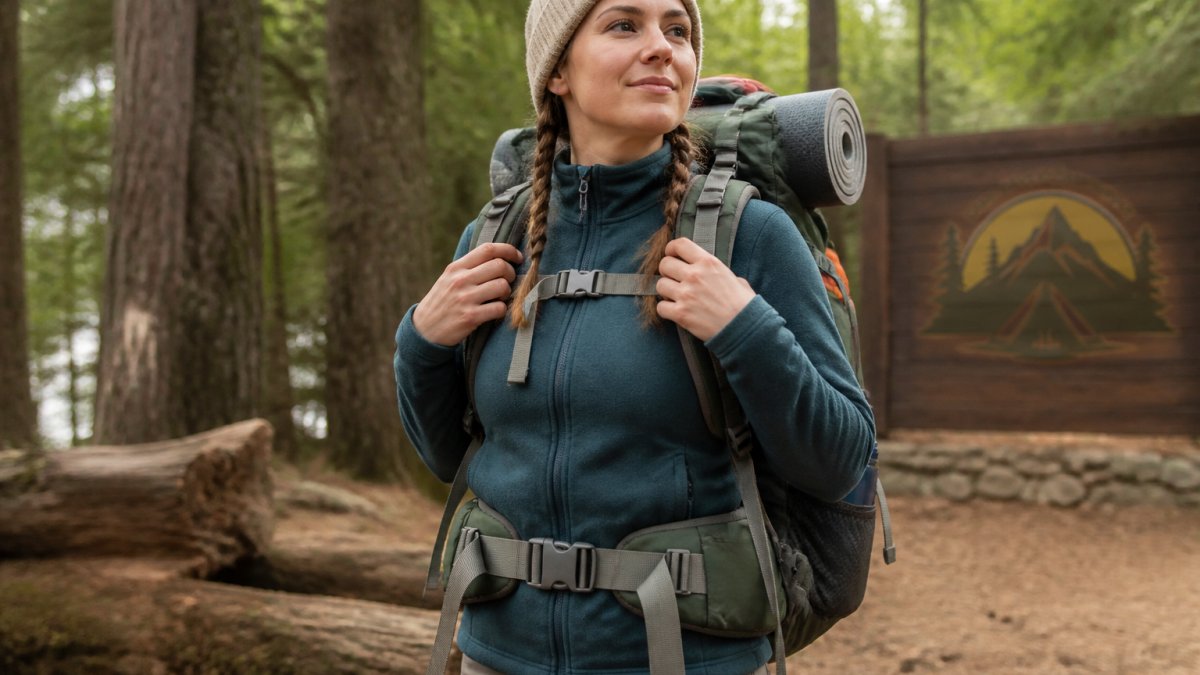
Calculate Pack Weight and Distribution
Total pack weight should not exceed 20-25% of your body weight for multi-day trips.
Weigh your gear before departure. Most people dramatically underestimate what they've packed.
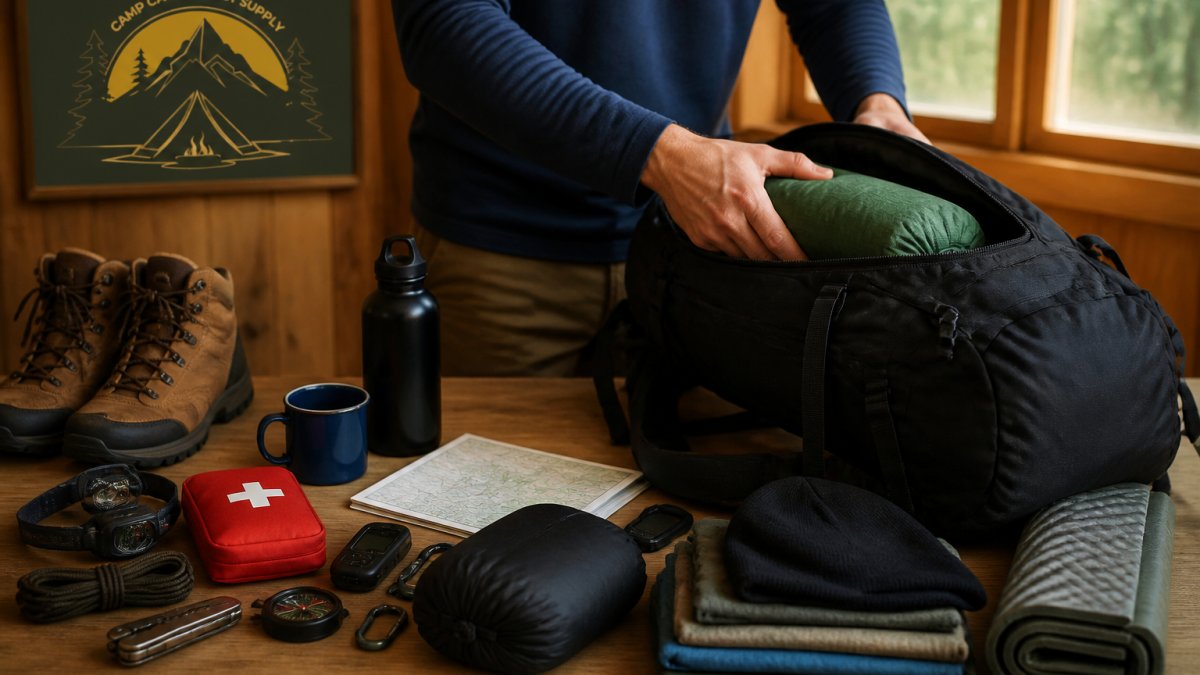
Pack weight distribution follows a simple principle: heavier items go in the middle of the pack, positioned high and close to your back.
Protect Your Gear During Transport
Gear protection begins with proper packing, not just during the wilderness trip but during travel to the trailhead.
Use compression bags to protect clothing and insulation from moisture. Pack items in waterproof stuff sacks organized by category: clothing, shelter, sleep system, food.
Protect fragile items like stoves, water filters, and electronics with padding. Wrap them in extra clothing or use dedicated protective cases.
Keep your backpack's exterior clean and protected during travel.
Food and Water Planning for Wilderness Trips
Running out of food or water transforms a manageable wilderness trip into a survival situation. Proper planning ensures adequate supplies for your trip's duration and intensity.
Water Sources and Treatment Methods
Locate water sources along your planned route before departure. Most wilderness areas have established water sources: streams, lakes, and springs.
Never assume water is safe to drink untreated (the CDC). Giardia and other pathogens contaminate even pristine-looking water.
Carry enough water capacity for the distance between reliable sources.
Meal Planning and Caloric Needs
Wilderness trips demand more calories than daily life because you're burning energy carrying weight and hiking for hours. A typical backpacking day burns 4,000-5,000 calories depending on pack weight, terrain, and individual metabolism (pubmed.ncbi.nlm.nih.gov).
Plan meals that are lightweight, require minimal cooking, and provide balanced nutrition. Dehydrated meals, nuts, energy bars, and dried fruit are backpacking staples.
Bring more food than you think you'll need. Wilderness trips demand more calories than expected, and you'll feel miserable if you run short.
Backpacking Tips for Beginners: Navigation, Safety, and Leave No Trace
Wilderness navigation, emergency planning, and environmental responsibility separate competent backpackers from those who rely on luck.
Navigation: Maps, GPS, and Compass Skills
Carry a detailed topographic map of your entire route, even if you plan to use GPS. Maps never fail due to dead batteries or satellite loss.
GPS devices and smartphone apps provide convenient navigation but require battery management. Bring a portable charger or extra batteries.
Compass skills are fundamental wilderness competency.
Emergency Planning and Decision-Making
Establish a trip plan with someone who stays home. Provide your expected route, camping locations, and return date. Agree on a check-in protocol.
Carry a whistle and consider bringing a personal locator beacon (PLB) or satellite communicator for remote areas.
Develop decision-making protocols before problems arise.
Leave No Trace and Sanitation Practices
Leave No Trace principles minimize your impact on wilderness environments. Camp at least 200 feet from water sources to protect them from contamination.
Pack out everything you pack in, including food scraps.
Wash dishes and yourself at least 200 feet from water sources using biodegradable soap sparingly.
Create Your Pre-Trip Checklist and Timeline
Successful wilderness trip preparation follows a structured timeline. Starting too late creates stress and missed details. Starting too early lets you address problems with time to spare.
8 Weeks Before: Planning and Research
Eight weeks out, finalize your destination and route. Research permits and make reservations immediately. Book accommodations for travel to and from the trailhead. Reserve campsites if your chosen area requires advance booking.
Create a detailed itinerary showing daily mileage, elevation gain, and planned campsites. Calculate total calories needed and begin researching food options.
4 Weeks Before: Training and Gear Acquisition
Four weeks before departure, begin your training regimen. Start with longer day hikes and gradually increase distance and elevation. Acquire any gear you don't already own. Test all equipment, especially critical items like tent, sleeping bag, and stove.
Practice setting up your tent and using your stove in your backyard. Familiarize yourself with gear operation before relying on it in the wilderness.
1 Week Before: Final Preparations and Contingencies
One week out, finalize your food plan and pack all non-perishable items.
Brief your emergency contact on your itinerary and confirm they'll alert authorities if you don't check in as planned.
Pack your backpack completely and do a final weight check.
Preparing for a wilderness trip demands attention to detail across planning, fitness, gear, and navigation.
Frequently Asked Questions
What are the 10 essential things to bring when hiking?
The Ten Essentials are navigation (map and compass), sun protection (sunscreen and sunglasses), insulation (extra clothing layers), illumination (headlamp or flashlight), first-aid supplies, fire-starting tools, repair kit and multi-tool, nutrition (extra food), hydration (water and treatment method), and emergency shelter. These items address the most common wilderness emergencies. Every hiker should carry all ten regardless of trip length or difficulty.
How much water should you bring on a wilderness trip?
Plan for 2-3 liters per person per day in moderate conditions, adjusting for temperature, elevation, and exertion level. In hot or high-altitude terrain, increase to 3-4 liters. Rather than carrying all water at once, identify reliable water sources along your route and bring a treatment method (filter, tablets, or boiling capability). Always start and end each day with a full water supply to avoid dehydration.
How do you prepare physically for a backpacking trip?
Begin training 4-8 weeks before your trip with weekly hikes that gradually increase in distance and elevation gain. Practice wearing your loaded backpack to build strength and identify comfort issues. Include cardio workouts and leg-strengthening exercises like squats and lunges. Test your gear on shorter overnight trips before your main adventure. Mental preparation matters equally, visualize the journey and build confidence through successful shorter trips.
What should you include in a wilderness trip itinerary?
Your itinerary should list daily mileage, elevation gain, planned campsites, water sources, trail junctions, and estimated hiking times. Include contingency routes in case of weather or injury. Note permit numbers, emergency contact information, and expected check-in times. Share this itinerary with someone at home who knows to alert authorities if you don't check in by a specified date. A detailed itinerary helps rescuers locate you quickly if something goes wrong.
How do you prepare for changing weather in the backcountry?
Check the forecast before departure but assume conditions will worsen. Pack layers that trap warmth even when wet, including a waterproof rain jacket and pants. Bring an emergency shelter like a lightweight bivy sack or emergency blanket. Plan campsites away from exposed ridges and dead trees. Know the signs of hypothermia and altitude sickness. Always have a bailout route that leads to lower elevation and shelter if weather deteriorates rapidly.
How do you plan a wilderness trip for beginners?
Start with a well-established trail rated easy-to-moderate with clear markers and reliable water sources. Choose a destination within 5-8 miles with established campsites. Go with an experienced hiker or group. Use detailed guidebooks and recent trip reports. Test all gear beforehand on a short overnight trip. Allow extra time for each day's hike, don't push for speed. Build confidence and skills before attempting longer or more remote trips.
How should you pack and protect gear for a backpacking trip?
Use a waterproof stuff sack or dry bag for sleeping bags, clothing, and electronics. Place heavy items (water, food, cookware) low and centered in your pack for balance. Distribute weight evenly between left and right sides. Secure items tightly to prevent shifting during movement. Protect fragile items with foam or padding. Use compression straps to reduce pack volume and prevent items from bouncing. Check that your pack sits snugly against your back with straps adjusted properly before hitting the trail.