 How-to
7 Durability Checks Before Buying Camping Gear Online
Last Updated: November 7, 2026
Quick Summary
To buy durable camping gear online, check the product page for fabric denier, coating type and hydrostatic head rating, then confirm seams are taped and stress points are reinforced. Match the gear to your trip type, compare cost per use rather than sticker price, and read the warranty and return terms before ordering.
- Denier measures yarn weight; higher numbers generally mean more abrasion resistance.
- A 1,500 mm hydrostatic head handles light rain, while 3,000 mm and up is a more serious weather barrier.
- Taped or sealed seams keep water from leaking through stitch holes; silence on seams is a warning sign.
- Divide the price by expected trips to compare cost per use, since a pricier item can cost less per trip.
- Check whether returns cover oversized items, who pays return shipping, and whether replacement parts are available.
Table of Contents
- Why Durable Camping Gear Matters More When You Shop Online
- How to Choose Camping Gear by Use Case, Not Just Price
- How to Assess Durability Before You Buy Online
- Long-Term Value: Cost Per Use Versus Sticker Price
- Camping Gear Warranty and Return Policy: What to Look For
- Camping Gear Buying Checklist for Your Next Online Order
- Comparing the Best Camping Gear Websites for Durable Products
- Booking Your Next Gear Order With Camp Cave Forest Supply
- Frequently Asked Questions
Buying durable camping gear online means judging a tent, pack or boot from a product photo and a spec sheet, with no chance to touch the fabric or test the zippers. This guide helps you make that call with more confidence. The U.S. camping and hiking gear market was estimated at USD 8.61 billion in 2024 and is expected to grow at a 4.2% compound annual growth rate through 2030, according to Grand View Research's U.S. camping and hiking gear market estimate.
Why Durable Camping Gear Matters More When You Shop Online
Online buyers cannot inspect gear in person, so durability has to be read from the listing. That makes the specifications on a product page the most important evidence you have. A stated denier, a coating type or a seam construction tells you far more than a lifestyle photo does.
Returns also add cost and friction online. Shipping a heavy pack back and forth eats into any savings you thought you made. Buying well the first time usually costs less than buying twice.
How to Choose Camping Gear by Use Case, Not Just Price
Start with where and how you will use the gear. A weekend car camper needs different durability than a backpacker crossing rocky terrain for a week. Matching the product to the trip keeps you from overbuying for light use or underbuying for rough conditions.
Price should follow use, not lead it. A low price on a product built for occasional backyard use can mislead you on a rugged trail. Compare items that serve the same purpose, then check which build quality fits your trips. Our budget-friendly alternatives guide covers this trade-off in more detail.
How to Assess Durability Before You Buy Online
Durability is not a feeling you get from a product photo. It is a set of measurable choices in fabric, stitching, hardware, and construction, and most of them are printed somewhere on the product page if you know where to look. You can also check whether specific picks hold up in our reliability review for long trips. The goal is to turn a listing into a checklist you can score, not a vibe you react to.
Reading Fabric Denier, Coatings and Seam Specs
Denier (D) measures the weight of the yarn in a fabric, and higher numbers generally mean a thicker, more abrasion-resistant weave.
Coatings are the second number to find.
Seam construction is where many online purchases go wrong. Taped or sealed seams keep water from wicking through stitch holes; plain stitched seams on a coated fabric can leak under sustained rain.
Watch out: a high denier number paired with no coating or seam information often signals a budget product that is thick but not weather-ready, thickness and waterproofing are different properties.
Checking Zippers, Buckles and Stress Points
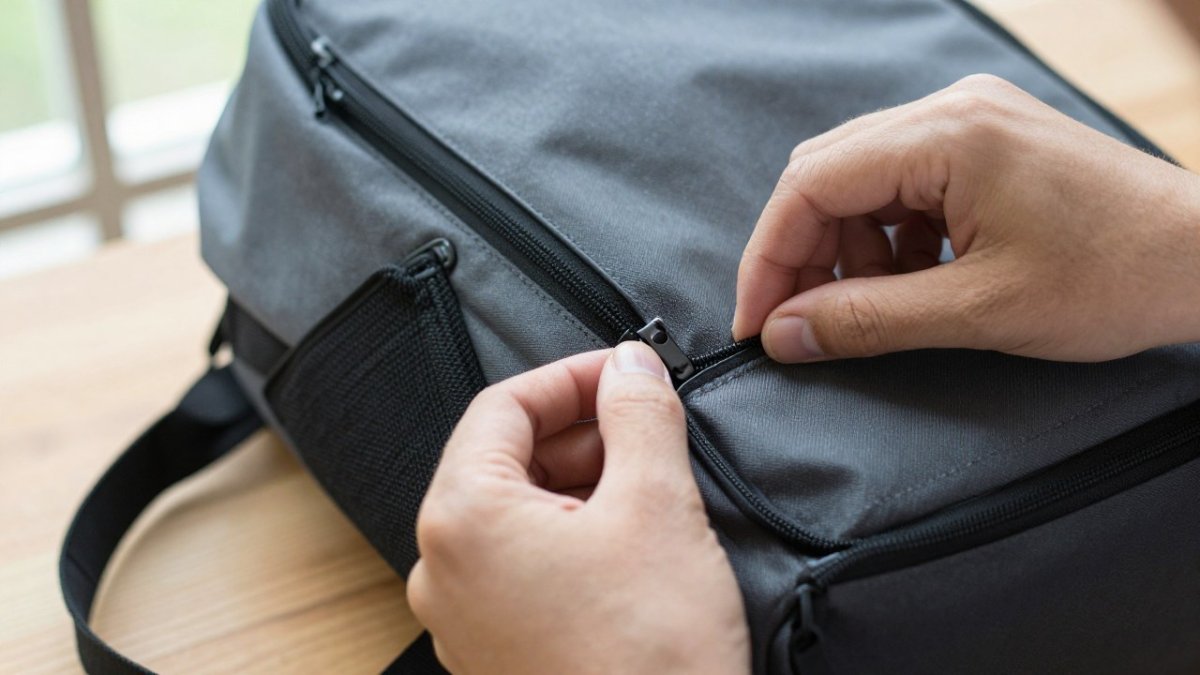
Hardware fails before fabric does on most gear. On packs and tents, look for zipper flaps or storm flaps over the main opening, and for metal or reinforced plastic buckles rather than thin generic ones.
Stress points are the places where load concentrates: strap attachments, pole sleeves and grommets, the base of a pack, and the corners of a tent floor. Reinforced stitching, bar-tacks, and double-stitched webbing at those points are visible in close-up product photos and are worth zooming in on. Thin, single-stitched attachments are the first thing to tear out.
Using Spec Sheets, Photos and Questions as Evidence
Treat the product page as a set of claims to verify rather than a description to trust. Three habits close most of the gap left by not handling the gear:
- Zoom the photos. Close-ups of seams, zipper pulls, and strap anchors reveal stitching density and hardware quality that the marketing copy glosses over.
- Read the spec table, not the bullet points. The bullet points sell; the spec table (fabric, denier, coating, weight, packed size) is where the durability evidence lives.
- Ask the retailer a specific question. "Is the floor fully taped?" or "What denier is the fly?" forces a concrete answer. A vague reply is itself useful information.
The article's key durability specs are easier to scan side by side:
| Spec | What it tells you | Watch for |
|---|---|---|
| Denier (D) | Yarn weight; higher is generally more abrasion-resistant | High denier alone does not mean waterproof |
| Hydrostatic head | Waterproofing rating in millimeters | 1,500 mm handles light rain; 3,000 mm and up is more serious |
| Coating type | PU or silicone affects water shedding and repairability | No coating listed means waterproof claim is unverified |
| Seam construction | Taped or sealed seams resist leaks | Silence on seams is a warning sign |
| Stress points | Strap anchors, pole sleeves, grommets, pack base | Thin single-stitched attachments tear out first |
Long-Term Value: Cost Per Use Versus Sticker Price
The cheapest item is not always the best deal. Divide the price by the number of trips you expect to take. A USD 150 tent used 30 times costs USD 5 per trip. A USD 60 tent that fails after five trips costs USD 12 per trip. Cost per use gives you a clearer picture than sticker price alone.
Durability decides cost per use. A product that survives years of use spreads its price across far more outings, so a higher upfront cost can be the cheaper choice over time.
Camping Gear Warranty and Return Policy: What to Look For
For expensive gear bought sight-unseen, the warranty and return policy are part of the product. They are what you fall back on when a seam leaks on the second trip or a boot does not fit the way the size chart promised. Read them before you order, and read them as a set of specific clauses rather than a general promise.
Warranty Length, Coverage and Wear Exclusions
Manufacturer warranties on camping gear vary in length, and the length matters less than what is covered. Look for language about defects in materials and workmanship, that is the standard coverage, and then look for the exclusions.
Check who honors the warranty: the manufacturer or the retailer. A manufacturer warranty may require you to ship the item to a service center at your own cost, while a retailer-backed policy may be handled in-store or through a prepaid label.
Return Windows, Restocking Fees and Who Pays Shipping
Return terms decide how much risk you carry on a fit or performance mistake. Confirm the return window in days, whether the item must be unused and in original packaging, and whether a receipt or order number is required. Then check the money details: restocking fees, return shipping costs, and whether original shipping is refunded.
Watch out: oversized or heavy items such as tents and packs are sometimes excluded from free returns or carry a freight surcharge, confirm this before ordering, because return shipping on a large item can erase the savings from a discount.
Repair Programs and Replacement Parts
A repair program is often more valuable than a replacement warranty for gear you plan to keep for years. Ask whether the maker stocks replacement poles, zipper pulls, buckles, and footprint attachments, and whether they offer a repair service for a fee. Gear with available spare parts stays in service when one component fails; gear without them becomes landfill over a broken buckle.
What to Verify Before You Order
Run these checks against the product page and the retailer's policy page before checkout:
- Warranty length and whether it is manufacturer- or retailer-backed
- Whether defects in materials and workmanship are covered and what wear exclusions apply
- Return window in days, condition requirements, and any restocking fee
- Who pays return shipping and whether original shipping is refunded
- Availability of replacement parts and any paid repair service
If a policy page is vague on any of these points, contact the retailer and get the answer in writing. A retailer that expects its gear to be examined closely tends to publish clear terms; one that hides them is asking you to carry the risk.
Camping Gear Buying Checklist for Your Next Online Order
Run through this list before you check out:
- Confirm the fabric denier and coating type are listed
- Check that seams are taped or sealed for wet conditions
- Look for reinforced stress points and quality zippers
- Match the product to your actual trip type
- Estimate cost per use based on how often you will go
- Read the warranty length and what it excludes
- Confirm the return window and who pays return shipping
- Check whether replacement parts are available
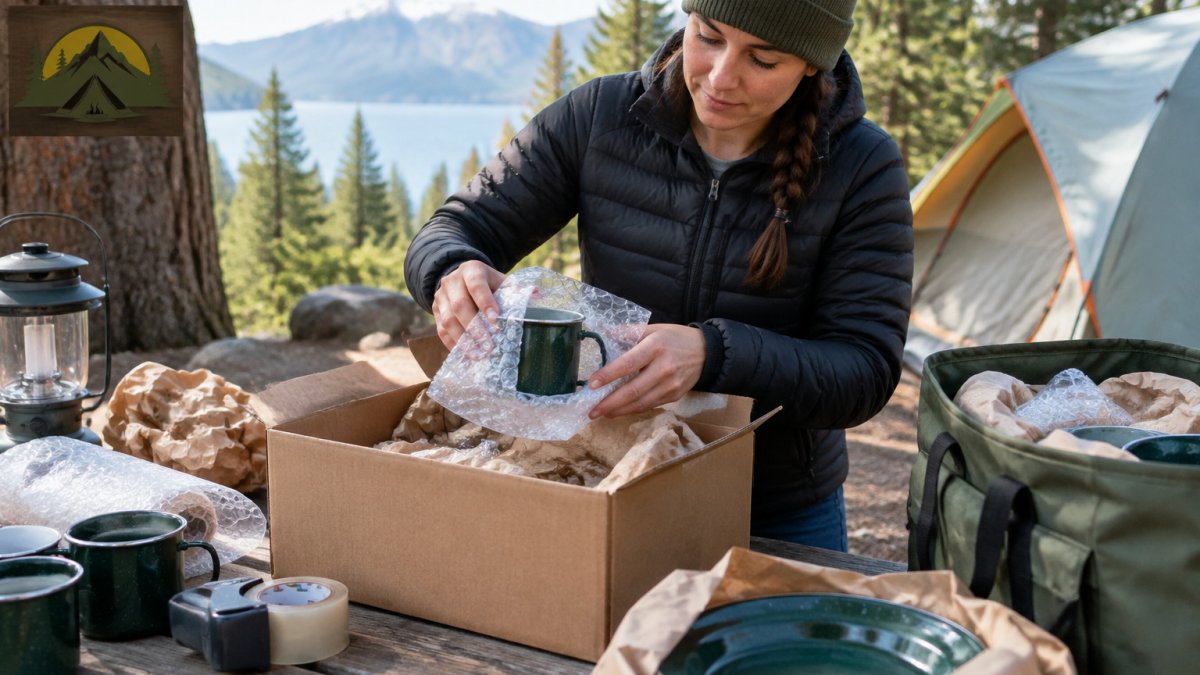
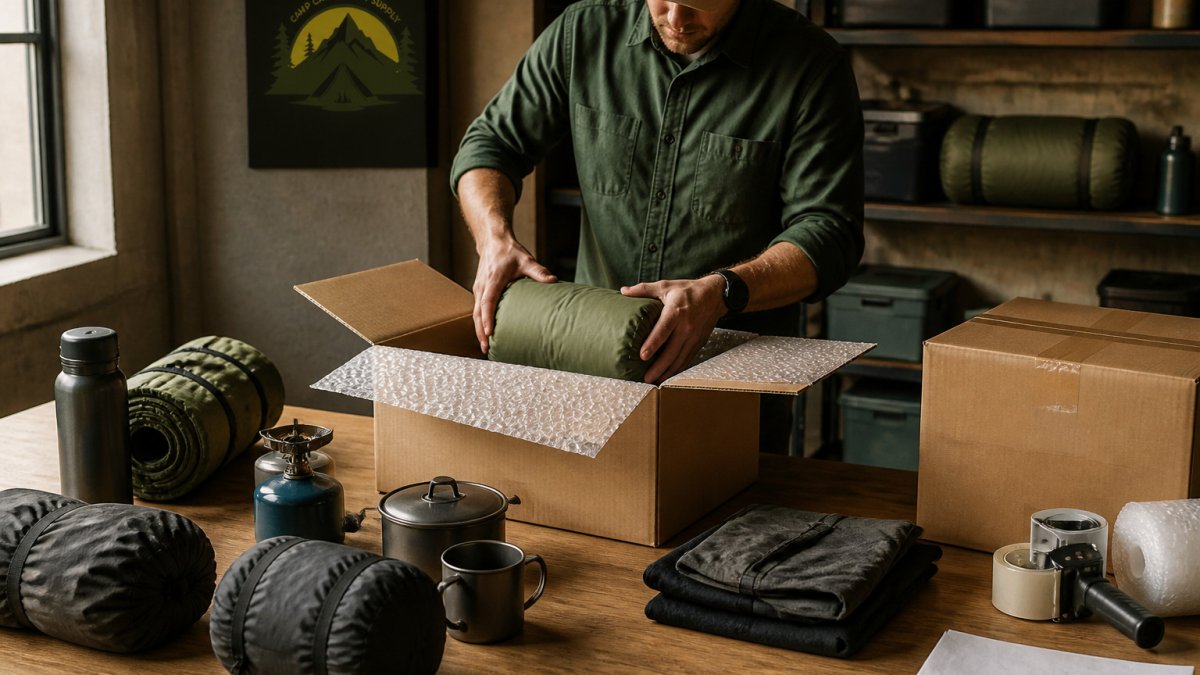
Use this checklist for every order, especially when buying several items at once. For packing tips, see how to pack camping gear for shipping safely.
Comparing the Best Camping Gear Websites for Durable Products
Different retailers serve different buyers. Some carry deep catalogs with many brands, others focus on a smaller set of curated products. Compare the spec detail each site publishes, how clearly it describes warranties and return terms, and how it handles shipping and damaged deliveries.
Booking Your Next Gear Order With Camp Cave Forest Supply
If you are ready to shop, browse the Camp Cave Forest Supply catalog and use the checks above to compare what you find. Pricing depends on the product, quantity and delivery, so check the current price on each product page or contact our team for a quote. Shop with the checks in this guide, and you will be better equipped for whatever trail you pick next.
Frequently Asked Questions
What is the best website to buy camping gear?
The best site depends on what you need. Specialty outdoor retailers usually offer deeper product detail, clear fabric and material specs, and knowledgeable support, which helps when durability matters. Larger general marketplaces offer more choice but less curation, so you will need to verify each listing's specs, seller and return terms yourself. Compare a few sites on the same product, check how each describes materials and warranty coverage, and favor the one that gives you the information you need to judge durability before you pay.
How can you tell if camping gear is durable before buying it online?
Start with the specs. For fabrics, look for denier or thread count, the type of coating or waterproofing, and whether seams are taped or sealed. For packs and bags, check zipper brand and type, buckle material and reinforced stress points such as the base and shoulder straps. Read customer reviews that mention long-term use rather than first impressions. Gear that is clearly described in detail, with materials named rather than vague marketing terms, is generally a better sign of quality than a product page that lists only features and price.
How do you compare camping gear prices and warranties?
Compare the total cost, not just the sticker price. Add shipping, and check whether the warranty covers manufacturing defects only or also normal wear. Note the warranty length, whether repairs or replacements are handled by the retailer or the manufacturer, and whether you need to keep the original packaging or receipt. Divide the price by the number of trips you expect to take to estimate cost per use. Pricing depends on the product, quantity and delivery options, so check current prices and terms directly on each retailer's site.
What should you check before ordering camping gear from an online store?
Confirm the return window, how returns are processed, and whether you pay return shipping. Check the warranty terms and whether the store can help with repairs. Look at shipping options and estimated delivery times, and whether the store offers a shipping threshold that makes sense for your order. If you are ordering several items, ask how the store packs fragile or heavy gear. Reading these policies before checkout takes a few minutes and can save you from a costly problem later.